

2025 has turned into the year technology stopped being just something we use and became something we live with—almost like a second brain in our pocket or on our wrist.
You might think you’ve seen tech evolve before, but this year feels different. It’s not just about faster phones or bigger screens anymore—it’s about tech that understands you, anticipates your needs, and integrates into your lifestyle in ways that feel downright intuitive.
From wearables that go beyond fitness tracking to AI-powered home appliances that practically run your household, 2025 is shaping up to be one of the most transformative years in tech. Let’s explore how that’s happening—and what it means for your everyday life.
🔥 1. The Wearables Revolution: More Than Just Fitness Trackers
Wearable devices have existed for years, but 2025 is the year they refuse to remain simple accessories. Instead, they have become ecosystems—platforms for wellness, productivity, communication, and even healthcare.
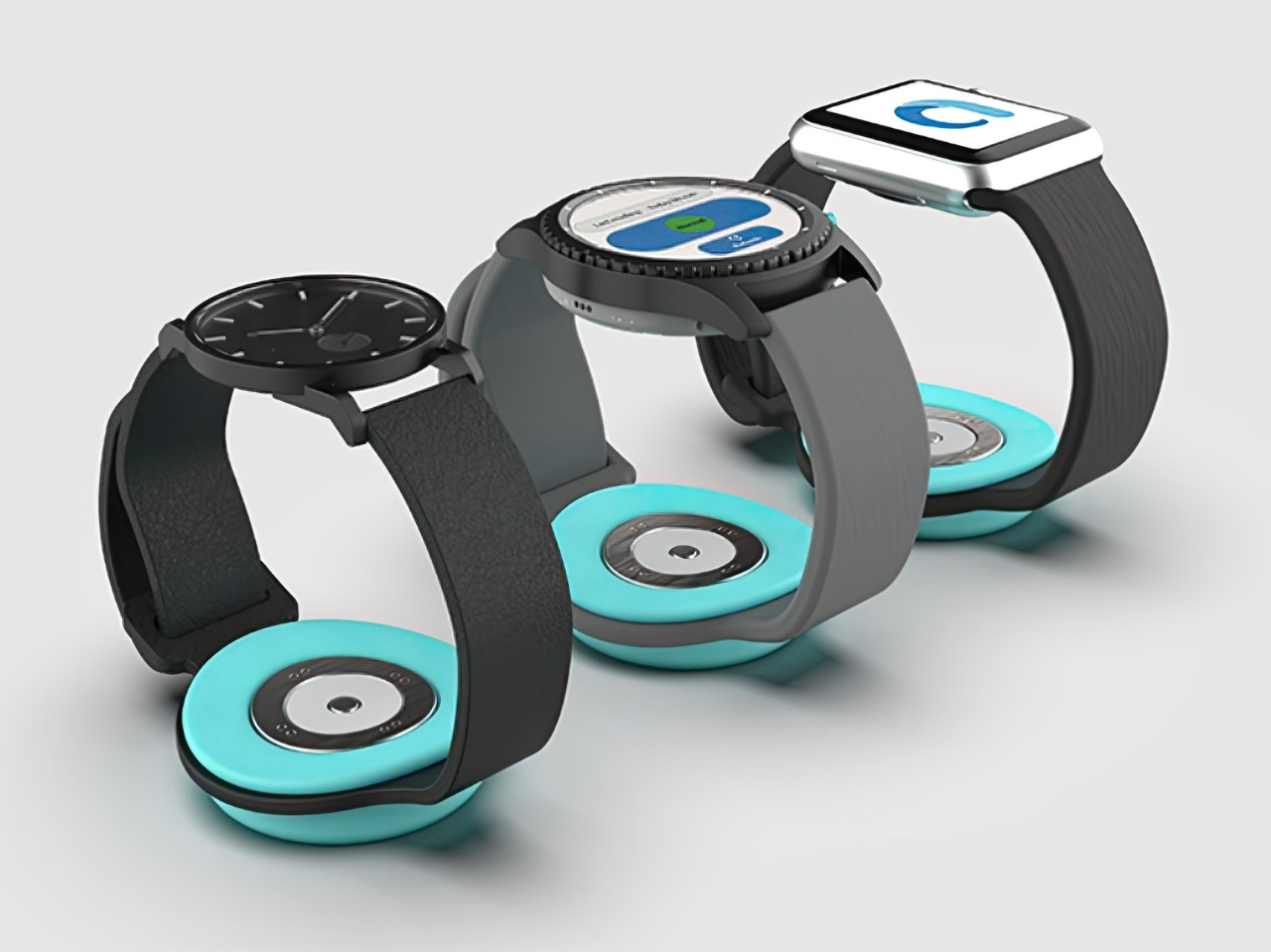
Smartwatches are now far more than notification hubs.
Brands like Apple, Samsung, and others have introduced devices with advanced health sensors that go well beyond counting steps: they can analyze sleep quality, monitor blood oxygen levels, detect stress patterns, and even run basic ECG measurements. Those once-small health insights have become major selling points for consumers. (42Gears Mobility Systems)
But it doesn’t stop there.
Smart rings and discreet wearables are gaining traction. Devices worn like jewelry are now equipped with powerful sensors and AI lifelogging that quietly monitor physiological data without being intrusive. These tiny devices may soon feel more essential than your smartwatch. (42Gears Mobility Systems)
Meanwhile, AI-powered wearables are shifting from data collectors to proactive assistants—hinting at a future where your watch or ring could suggest stress-relief techniques, prompt hydration, or even offer early warnings before you notice something is off.
This is the key shift: wearables are no longer gadgets. They’re companions that blend fashion, health, and real-time intelligence into your daily routine.
👓 2. Smart Glasses Are Finally Wearing Their Potential
Just when you thought AR glasses were still years away from usefulness, 2025 brought us practical, stylish, and meaningful smart eyewear.
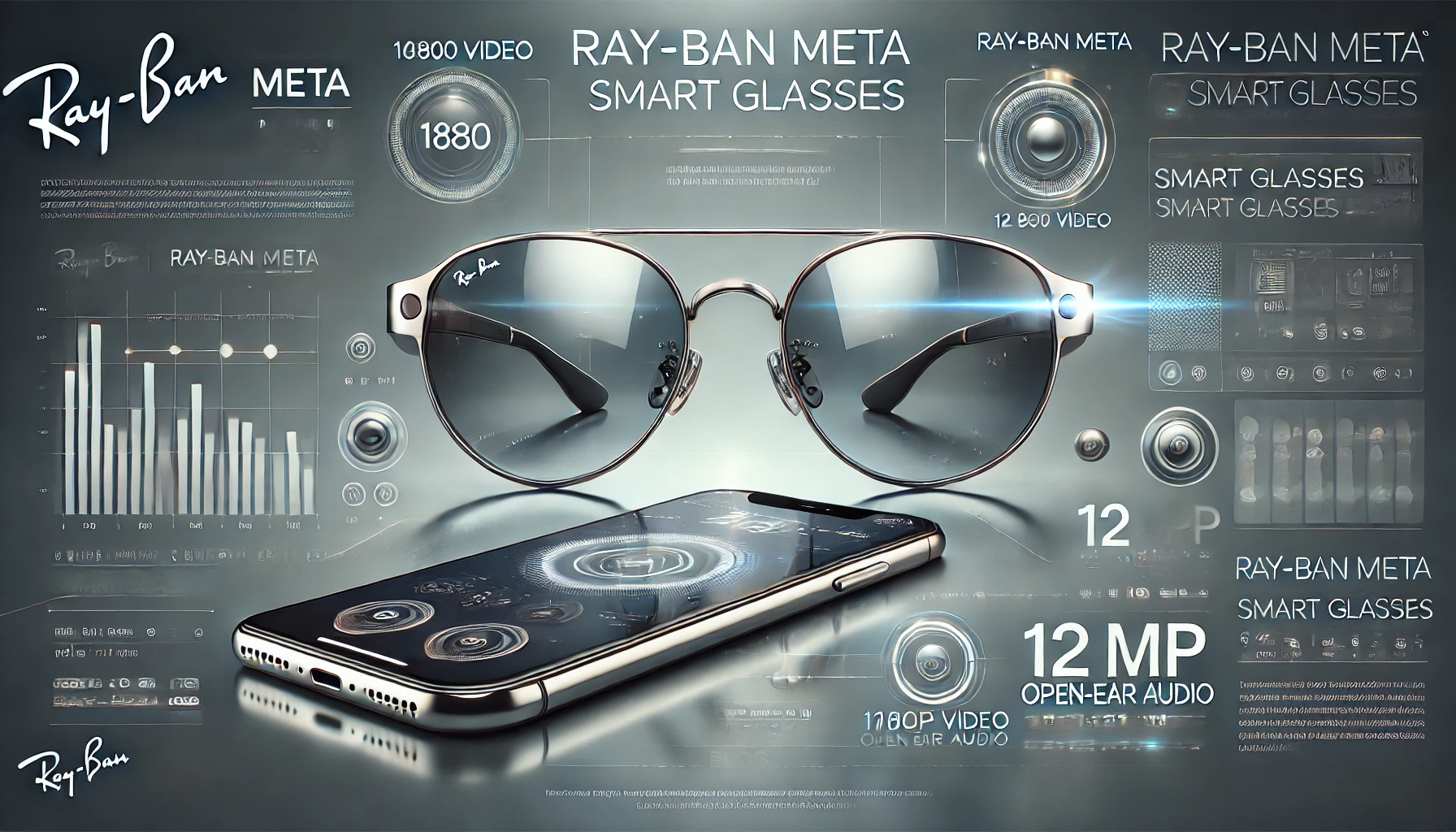
The Ray‑Ban Meta Wayfarer, one of the hottest smart wearables of the year, has dropped in price while gaining traction as a real everyday gadget—combining classic style with AI-powered features like photography, audio playback, and hands‑free interaction with built‑in AI. (Digital Camera World)
And it’s not an isolated example.
Companies are exploring AR glasses that do far more than overlay digital images—they can translate languages in real time, provide navigation directions, and even show contextual information without pulling your phone out of your pocket.
These aren’t sci‑fi experiments; they’re becoming practical lifestyle tools—blurring the line between fashion, tech, and daily utility.
When wearables become stylish and useful, adoption grows faster than ever. And 2025 is proving that smart glasses may finally have found their moment.
🏡 3. AI Moves Into the Home—and It Stays
If there’s one major trend defining tech lifestyles this year, it’s AI at the edge—meaning AI isn’t just in the cloud anymore; it’s inside your appliances, your home systems, and the devices you interact with every day.
Samsung recently unveiled its Bespoke AI lineup of smart home appliances—refrigerators that track food and update your grocery list, ovens that monitor cooking in real time, and laundry systems that choose cycles based on fabric and soil levels automatically.
And this is just the beginning. Major brands are racing to make AI home tech that adapts to your routines without you having to ask. Imagine a fridge that knows when you’re low on milk or an oven that takes a photo of your dish in progress and suggests cooking adjustments.
This trend reflects a broader shift: AI isn’t just analyzing data in the cloud anymore—it’s embedded deeply into devices and appliances that anticipate your needs before you even realize them.
Home technology has crossed a threshold from tools to partners in your day.
🧠 4. Smart Cities, IoT Integration, and the Big Picture
The tech lifestyle revolution isn’t happening in isolation—it’s part of a larger ecosystem.
Companies like Tuya are reporting rapid growth as IoT and AI technologies become core to everyday infrastructure and consumer tech. Their focus on bringing Physical AI into real life reflects a broader industry migration toward embedded intelligence in daily environments—think buildings, vehicles, wearables, and appliances all talking to each other.
This interconnected world blurs the boundaries between your personal tech and the environment around you—leading to truly smart living spaces where devices don’t just respond to you, they anticipate and adapt to you.
📱 5. Phones and Personal Devices: Still the Hub, Just Smarter
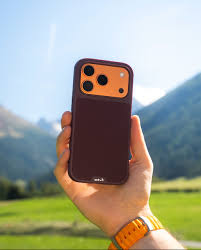
Despite all of these connected systems, your smartphone remains the nucleus of your personal tech life—and 2025 brought some meaningful improvements.
Devices like the ASUS Zenfone 12 Ultra showed how flagship phones are integrating AI deeply into photography, performance, and battery management—pushing personal computing power to new heights.
Meanwhile, next‑generation headsets like the Apple Vision Pro (with its enhanced M5 chip and increased refresh rates) demonstrate where personal computing is heading—toward immersive augmented environments that blend digital content with the real world.
In short: your phone still matters, but it’s becoming part of a larger ecosystem that includes AR devices, wearables, and AI assistants that work together—seamlessly and intuitively.
🧠 6. AI: The Invisible Thread in Everyday Tech
Look across product categories in 2025 and you’ll see a pattern: AI isn’t just a feature anymore—it’s the engine behind product evolution.
From smart health wearables that detect abnormal heart rhythms and offer insights tailored to you, to refrigerators that maintain food freshness automatically—AI is the common thread. (mokosmart.com)
The key change this year isn’t how smart devices are—it’s how predictive they’ve become. Instead of waiting for you to tap, swipe, or activate a function, they start to anticipate your needs based on patterns, context, and real‑time analysis.
This shift—from reactive tech to proactive assistance—is redefining what it means to live a “connected” lifestyle.
📈 7. Wearables Becoming a Mainstream Necessity
We’ve talked about smartwatches and glasses—but the wearable tech universe is broader and more compelling than ever.
Industry data shows that 2025 is a record year for wearable tech sales, especially smartwatches, with global shipments hitting new highs and consumer interest skyrocketing. (holiday.by)
Market growth isn’t random. Consumers increasingly value:
- Health insights like continuous monitoring and early warnings
- Convenience and connectivity from devices integrated with phones and smart homes
- Seamless user experience through AI‑powered assistance
From smart watches to rings, earbuds, and eyewear, devices are converging into a lifestyle category that’s no longer niche—it’s mainstream.
🤔 What Does This All Mean for You?
So what’s the practical takeaway?
Tech in 2025 isn’t just about power and specs anymore.
It’s about integration, intuition, and daily life optimization.
The gadgets we choose now aren’t just tools—they’re extensions of ourselves:
- Wearables that become health partners, not just step counters.
- Smart homes that learn from your behavior instead of just responding.
- AR and AI interfaces that let you see and interact with digital content naturally.
- Connectivity between phone, home, vehicle, and personal devices that anticipates context and needs.
In essence, tech this year is becoming less about novelty and more about utility, personalization, and seamless experience.
🚀 Early Trends, Big Shifts
Looking across the innovations emerging in 2025—from AI‑infused wearables to smart appliances and interconnected systems—it’s clear that we’re in a transition phase: one where technology isn’t just an optional luxury but a practical lifestyle partner.
The line between “you” and “your devices” is blurring.
And that’s not just progress—it’s transformation.
Final Thought
2025 is proving to be the year technology stopped being a tool you use and became a partner you live with. From AI‑powered wearables to smart homes and immersive AR interfaces, our digital lives grew richer, deeper, and more intuitive.
The future isn’t just connected—it’s anticipatory.
Stay curious, stay informed, and get ready—because the tech that once felt futuristic now feels like everyday life.